
Loading...
Serving Roseburg, OR and surrounding areas. (458) 803-7783
Roseburg Insulation is an insulation contractor serving Myrtle Creek with spray foam insulation, crawl space insulation, and attic insulation built for the valley conditions here. We have worked throughout Douglas County and understand the older wood-frame homes and wet winters that define this area.
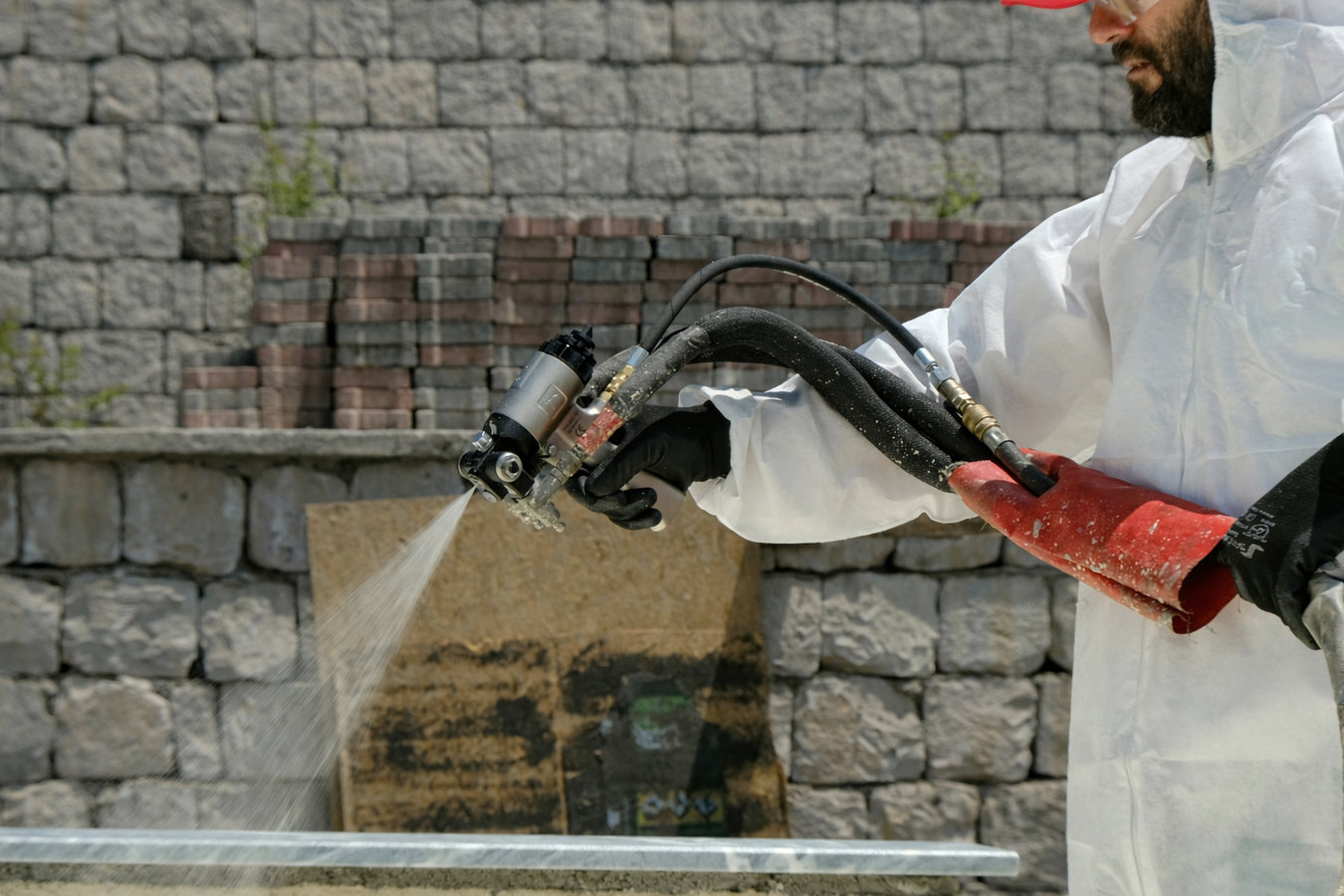
Myrtle Creek homes built in the 1940s through 1960s have irregular framing, uninsulated rim joists, and air gaps that fiberglass batts cannot seal completely. Spray foam expands into every crack and cures into a solid, airtight barrier. If your older wood-frame home has persistent drafts or high heating bills, see what our spray foam insulation service can do for a home like yours.
Myrtle Creek sits in a valley along the South Umpqua River, and crawl spaces here stay damp for much of the year. Wet fiberglass batts lose their insulating ability and hold moisture against wood framing. Closed-cell spray foam on the crawl space walls seals out water and keeps floors noticeably warmer through the rainy season.
Most Myrtle Creek homes were built when insulation standards were minimal. Original attic insulation that has sat undisturbed since the 1950s or 1960s has likely compressed to a fraction of its starting depth. Upgrading to current R-value standards is one of the most direct ways to reduce heating costs for homes here.
Ground moisture rising through an unprotected crawl space floor is a consistent problem for homes in this valley. A heavy-duty vapor barrier on the crawl space floor stops that moisture before it reaches the framing above, and it is typically the first step before any crawl space insulation work begins.
Wood-frame homes from the mid-20th century have gaps around plumbing penetrations, wiring, and ceiling fixtures that let conditioned air escape all winter. Air sealing before adding insulation makes every other improvement more effective - it is a step that too many contractors skip in older homes.
Blown-in insulation is well suited to the older attic layouts common in Myrtle Creek - it fills corners and irregular spaces that rigid batts leave bare. For attics that need a top-up rather than a full replacement, blown-in material is the most efficient way to bring the depth up to a level that makes a real difference in heating bills.
Myrtle Creek sits in a narrow valley hemmed in by forested hills, with the South Umpqua River running through the middle of town. That geography means homes here deal with sustained moisture for months at a time. Annual rainfall runs around 35 to 40 inches, and the valley floor holds that moisture longer than open terrain would. Homes built in the postwar decades were framed with local timber and often had little insulation beyond what was visible in the walls - crawl spaces were frequently left unaddressed entirely. Decades of wet winters have worked on that original framing in ways that show up as cold floors, damp crawl spaces, and heating systems that run longer than they should.
Winter freeze-thaw cycles add to the challenge. Myrtle Creek sits at roughly 680 feet elevation, and overnight temperatures drop below freezing regularly from December through February before warming back up during the day. That repeated cycling puts stress on building materials and can open small gaps in older construction over time - gaps that let cold air and moisture into the building envelope. The summer side of the equation is the opposite: July highs regularly reach the upper 80s and the valley can trap heat during warm spells. Homes with inadequate insulation feel both extremes, and a contractor who works here regularly understands how to address them together.
Our crew works throughout Myrtle Creek regularly, and we understand the local conditions that affect insulation work here. The homes we see most often are wood-frame construction from the 1940s through 1970s - built when Myrtle Creek was tied to the timber industry and local lumber was used in virtually every house in town. Those homes have their own characteristics: low crawl spaces, original wood siding, and attics that were often never upgraded from their original thin layer of insulation.
Myrtle Creek runs along Interstate 5 about 20 miles south of Roseburg, and most of the residential areas sit between the highway and the river or climb the hillsides above town. Whether a home is down near Millsite Park along the South Umpqua or up on one of the side streets above the valley floor, the conditions are similar: moisture from below, cold air from outside, and an older building envelope that was not designed to handle both. We pull permits through the Douglas County Building Division when required and are familiar with what inspectors look for on insulation jobs in this area.
We also serve communities close by. If you are looking for insulation work in Riddle to the south, or in Canyonville further down the valley, we cover both areas.
Reach us by phone or through the contact form. We respond within 1 business day and schedule a time to come out that works with your calendar. No commitment at this point.
We visit your home, look at the attic, crawl space, and any other areas of concern, and give you a written quote. We explain what we found, what we recommend, and what it costs - plainly, without pressure. You do not need to be present in every part of the home, but it helps to be available to ask questions.
On installation day, the crew arrives with equipment, protects your floors and living areas near the work zone, and gets to it. Most attic blown-in jobs finish in a few hours. Crawl space spray foam takes longer depending on access and square footage. We clean up before we leave.
Before we leave, we walk you through what was done and answer any questions. If anything does not look right to you in the weeks after the job, call us. We stand behind our work and come back if something needs to be addressed.
We serve Myrtle Creek and surrounding Douglas County communities. Free estimates, no pressure, and a response within 1 business day.
(458) 803-7783Myrtle Creek is a small city in Douglas County with a population of roughly 3,400 people. It sits in a narrow valley along the South Umpqua River, about 20 miles south of Roseburg on Interstate 5. The town is named after the Oregon myrtle tree, which is native to the surrounding hills, and it grew up as a timber community in the mid-20th century. Most neighborhoods are compact and residential - single-family homes on modest lots, many of them original to the era when logging and wood products drove the local economy. The city of Myrtle Creek has a walkable downtown core and a community character that reflects its working-class roots and long history in this corner of the Umpqua Valley.
Housing in Myrtle Creek skews older - a large share of homes were built before 1980, and many date back to the 1940s and 1950s. These are mostly wood-frame houses, owner-occupied, with the kind of deferred maintenance that is common in communities where home values are modest and budgets are tight. The residential areas spread from the valley floor near the South Umpqua River up the hillsides on both sides of town. Nearby communities served by our crew include Riddle to the south and Winston to the north, both of which share similar building stock and climate conditions.
High-density foam delivering superior R-value and moisture resistance.
Learn MoreKeep commercial buildings energy-efficient and comfortable year-round.
Learn MorePrevent moisture damage with professionally installed vapor barriers.
Learn MoreCall us or fill out the contact form and we will be in touch within 1 business day. Serving Myrtle Creek and all of Douglas County.