Loading...
Serving Roseburg, OR and surrounding areas. (458) 803-7783
Roseburg Insulation is a locally owned insulation contractor serving Canyonville with crawl space insulation, attic insulation, and spray foam. We have been working in the South Umpqua valley for years, and every job starts with a free written estimate.
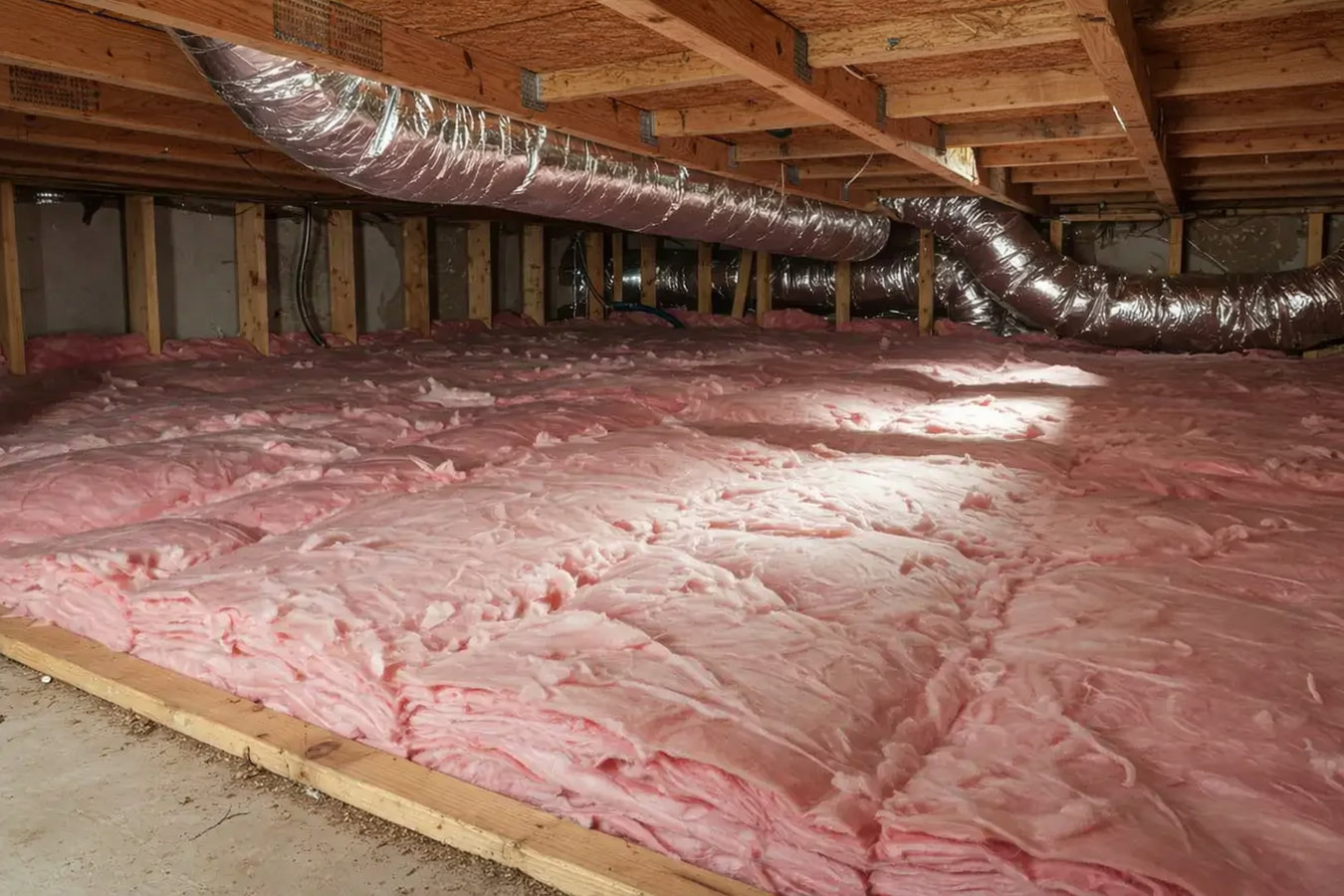
Most homes in Canyonville have crawl spaces, and the wet winters here make moisture control the single most important thing you can do for those spaces. Uninsulated or wet crawl spaces lead to cold floors, soft framing, and mold that spreads quietly for years before you notice it. Our crawl space insulation services pair closed-cell spray foam with vapor barriers to address both problems at once.
Canyonville homes built before 1980 - which is most of them - frequently have attics with only a few inches of original insulation that has compressed over decades. Heat rises straight through a thin attic in January, and your furnace has to run longer to compensate. Bringing your attic up to current R-value standards is the most direct way to cut heating costs here.
Older wood-frame homes in Canyonville have gaps around plumbing, wiring, and rim joists that fiberglass batts cannot fully seal. Spray foam expands into every crack and hardens, giving you both insulation and air sealing in one pass. It is especially effective on rim joists above the foundation where valley cold enters most directly.
The clay-heavy soils in the South Umpqua valley hold water and release moisture slowly throughout the wet season. A heavy-mil vapor barrier installed on your crawl space floor stops ground moisture from rising into the framing above. In Canyonville, this is not optional - it is the foundation that every other crawl space improvement depends on.
Canyonville sits close to large forested areas, and wildfire smoke during late summer is a real indoor air quality concern. A properly air-sealed home keeps smoke out through the same gaps that let heat escape in winter. Air sealing before adding insulation also makes every other upgrade more effective.
Blown-in insulation is a practical choice for Canyonville attics where the existing structure makes batt installation awkward. The loose-fill material flows around obstructions, fills corners completely, and can be added on top of older insulation when the existing material is still sound. It is one of the most cost-effective attic upgrades for homes of this era.
Canyonville sits in a valley along Interstate 5 at about 800 feet elevation, tucked between the forested hills of the Klamath Mountains and the South Umpqua River. That position shapes everything about how homes here perform. Annual rainfall runs between 30 and 35 inches, with the bulk arriving between November and March. The clay-heavy soils in this valley drain slowly, which means ground moisture under homes stays elevated for months. Homes near the river bottom deal with even more drainage pressure than those on higher streets. Most of the housing stock in Canyonville was built before 1980, when insulation standards were minimal, and the combination of older construction and persistent moisture creates real problems that go beyond just feeling cold in January.
Summer brings a different challenge. July and August temperatures regularly reach the upper 80s and low 90s, and the surrounding forests put Canyonville squarely in wildfire smoke territory during dry years. A well-sealed home keeps smoke out through the same gaps that lose heat in winter. Freeze-thaw cycles in December and January are mild by mountain standards but still enough to stress crawl space materials and crack exposed concrete. An insulation contractor who works in this valley regularly understands these patterns. Someone coming in from outside the area may not.
Our crew works throughout Canyonville regularly, and we understand the local conditions that affect insulation work here. When permits are required, we pull them through the Douglas County Building Division, which handles building permits for Canyonville and the surrounding unincorporated areas of Douglas County. Most of the homes we work on here are older wood-frame single-family houses with crawl spaces, and we know what decades of valley moisture does to fiberglass batts and original vapor barriers.
Canyonville is a small, tight-knit community centered around the South Umpqua River valley and Interstate 5. The Seven Feathers Casino Resort is the area's largest employer and a daily landmark for residents. Whether your home is near the river bottom on flatter ground, on one of the hillside streets above town, or out toward the Pioneer Indian Museum area, the insulation needs vary by location and we account for that in every estimate.
We also serve the broader South Umpqua valley. If you are looking for an insulation contractor in Myrtle Creek to the north, or in Riddle just down the valley, we cover those communities too.
Reach us by phone or through the contact form on this site. We respond within 1 business day and will schedule a visit that works for your schedule. There is no commitment at this stage.
We visit your home in Canyonville, inspect the crawl space, attic, and any other areas of concern, and measure what is actually there. We give you a written estimate before any work begins - no surprises on cost. You do not need to be a homebuilder to understand what we find.
Most crawl space and attic jobs in Canyonville are completed in one to two days. You can stay in your home during the work for most projects. Our crew protects your floors and access areas and cleans up when they leave.
When the job is finished, we walk you through what was done so you can see the work. If any follow-up is needed or questions come up later, you can reach us directly - not a call center.
We serve Canyonville and the surrounding South Umpqua valley. Free estimates, no obligation, and we respond within 1 business day.
(458) 803-7783Canyonville is a small city in Douglas County with a population of roughly 1,800 people. It sits in the South Umpqua River valley along Interstate 5, about 20 miles south of Roseburg, surrounded by the forested hills of the Klamath Mountains. The community has a strong local identity built around the land and the people who have lived here for generations. The Seven Feathers Casino Resort, operated by the Cow Creek Band of Umpqua Tribe of Indians, is the area's largest employer and a well-known landmark throughout southern Oregon. Most homes in town are owner-occupied single-family houses on modest lots, with a smaller share of rental properties mixed in - the kind of community where people invest in their homes because they plan to stay.
The housing stock here is predominantly older. Most homes were built between the 1940s and 1970s, and the mix of wood-frame construction, crawl spaces, and minimal original insulation reflects the building practices of that era. Properties near the South Umpqua River on the valley floor deal with more moisture and drainage pressure than those on the hillside streets above town. Homeowners here have a practical approach to maintenance - they fix what needs fixing to protect what they have built. We serve Canyonville alongside nearby communities including Myrtle Creek and Glendale, which face similar building conditions along the I-5 corridor.
High-density foam delivering superior R-value and moisture resistance.
Learn MoreKeep commercial buildings energy-efficient and comfortable year-round.
Learn MorePrevent moisture damage with professionally installed vapor barriers.
Learn MoreRoseburg Insulation serves Canyonville and the South Umpqua valley. Call us or submit a request and we will be back to you within 1 business day.