
Loading...
Serving Roseburg, OR and surrounding areas. (458) 803-7783
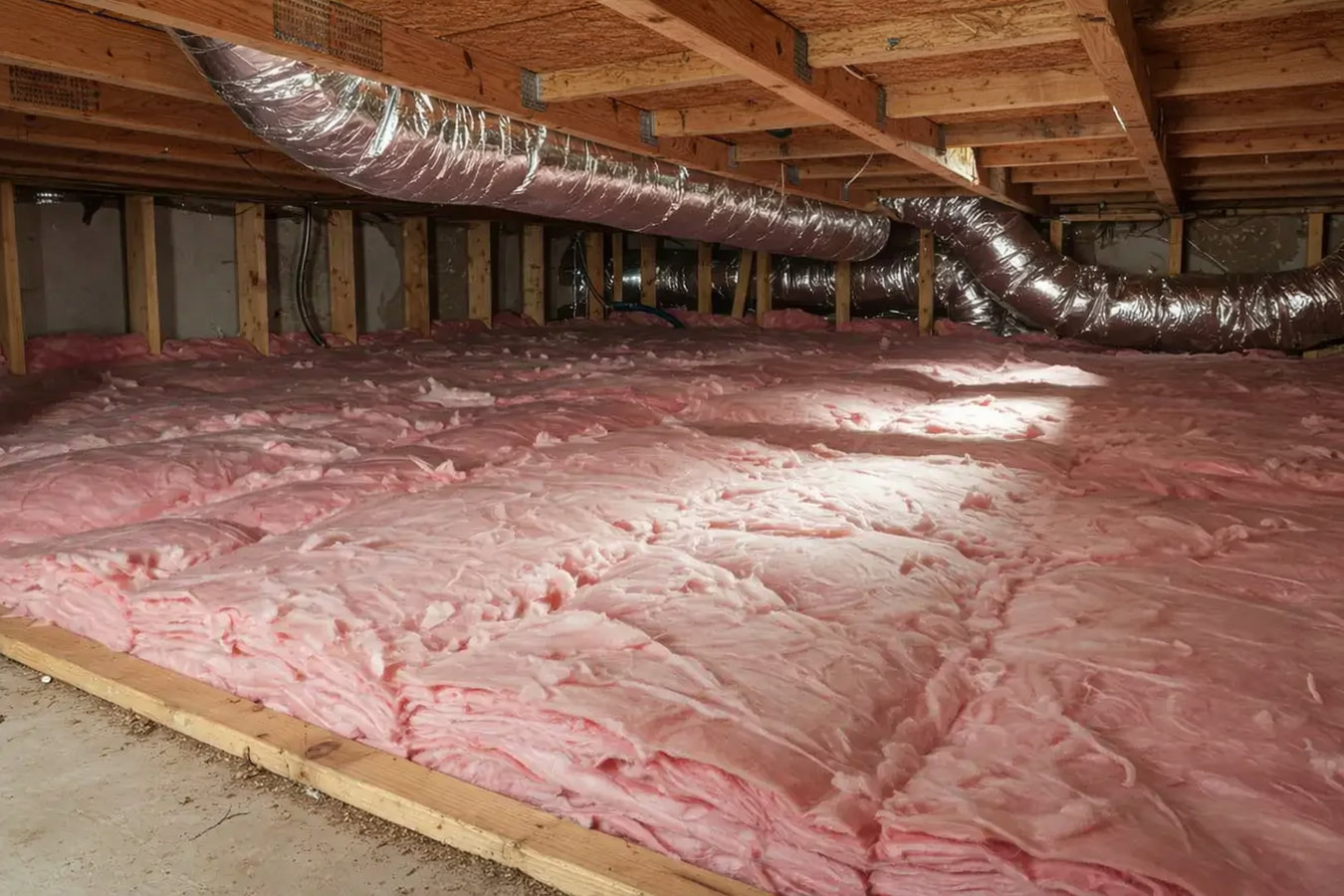
Cold floors, musty smells, and climbing heating bills often trace back to an uninsulated or moisture-damaged crawl space - we fix the problem at the source.
Cold floors, musty smells, and climbing heating bills often trace back to an uninsulated or moisture-damaged crawl space - we fix the problem at the source.
Crawl space insulation in Roseburg acts as a thermal barrier between the cold ground and your living floors, and most residential crawl space jobs are completed in one to two days depending on the size and condition of the space.
Without insulation, cold air and moisture from the soil push up through your floor structure, making rooms feel cold no matter how hard your heating system works. In Roseburg, where many homes sit on crawl spaces that have never been properly sealed, this is one of the most common sources of comfort problems and high utility bills.
Crawl space insulation works best when paired with moisture management. For homes with significant dampness in the space, we typically recommend also addressing the crawl space vapor barrier at the same time - insulation alone will not solve a moisture problem.
If walking across your kitchen or living room floor in socks during a Roseburg winter feels noticeably cold, that is a strong sign that cold air from the crawl space is moving up through the floor. This is especially common in older Roseburg homes where the crawl space has no insulation, or where the existing insulation has sagged and fallen away from the floor joists over the years.
Roseburg's wet winters mean crawl spaces without proper moisture barriers often develop mold or mildew on soil and wood surfaces below the home. If you notice a damp, earthy, or musty odor inside your home that gets stronger after heavy rain, that smell is almost certainly coming from below. It is a sign that moisture is moving freely through your crawl space and into your living space.
If you can shine a flashlight through the access hatch and see bare soil with no plastic sheeting, insulation hanging down in patches, or gaps where outside air can get in, those are clear visual signals that the space needs attention. Damaged or missing insulation is common in Roseburg homes built before modern moisture management practices became standard.
If your Pacific Power bill has been rising over the past few winters but your habits have not changed, heat loss through an uninsulated or poorly insulated crawl space is one of the most common culprits. A crawl space open to cold outside air means your heating system is competing with the outdoors every time it runs.
We insulate crawl spaces throughout Roseburg and the surrounding Douglas County area using approaches matched to the specific conditions of each home. For most Roseburg homes with active moisture concerns, we recommend encapsulation - sealing the full space rather than only insulating the floor joists. This approach, combined with a ground-level vapor barrier, keeps cold air and ground moisture out entirely. It pairs directly with a wall insulation project if you want to address the full thermal envelope of the home at the same time.
For homes where the crawl space is relatively dry and the main concern is heat loss through the floor, insulating the floor joists directly is a cost-effective option that addresses comfort without the higher investment of full encapsulation. We assess the specific conditions in your crawl space and recommend the right approach - not a one-size-fits-all solution. The ENERGY STAR Seal and Insulate program outlines the standards we use to evaluate crawl space performance.
Best for crawl spaces that are relatively dry, where the primary goal is reducing heat loss through the floor.
Suited for homes with moisture pressure - seals the walls and floor with a barrier system and insulates the crawl space walls.
Thick plastic sheeting on the ground that blocks soil moisture from rising into the insulation and floor structure.
For crawl spaces where the existing material has sagged, gotten wet, or been compromised by pests - removed and replaced fresh.
Roseburg sits in the Umpqua River valley and receives around 30 inches of rain per year, with the heaviest rainfall concentrated between October and March. That sustained winter moisture pushes ground-level humidity directly into unprotected crawl spaces. A significant portion of Roseburg's residential neighborhoods - particularly older blocks near downtown and areas like Garden Valley - were built in the 1950s through 1970s with vented crawl spaces and no moisture management. That was standard practice at the time, but it is now understood to cause real problems in wet Pacific Northwest climates. If your home is more than 40 years old, there is a good chance the crawl space has never had a proper vapor barrier installed.
The moisture issue is compounded by Roseburg's wide seasonal swings - damp winters in the 40s followed by dry summers that regularly top 90 degrees - which puts additional stress on insulation materials over time. Homeowners in Canyonville and Winston deal with the same combination of older housing stock and Umpqua Valley moisture - we serve both communities regularly.
We reply within one business day. We will ask about your home's age, whether you have noticed moisture or odor issues, and whether you know what is currently in the crawl space - so we arrive at the estimate prepared.
We access the crawl space through the hatch and spend 20 to 45 minutes evaluating the existing insulation, moisture levels, and overall dimensions. You receive a written estimate before any work is scheduled - covering materials, labor, and whether a permit is required for your project.
If a permit is needed through the City of Roseburg or Douglas County, we handle the application. Permits can add a few days to the start date but protect you if you ever sell the home or need to make an insurance claim. Once confirmed, you get a firm start date.
The crew typically spends one to two days on the job. Before leaving, we walk you through what was done - or show you photos of the finished crawl space if you would rather not climb in yourself. We remove all old materials and debris from your property. If your project qualifies for a Pacific Power rebate, we provide the documentation you need.
Free estimate, no obligation. We reply within one business day.
(458) 803-7783A crawl space job done without addressing moisture first is a job that will fail ahead of schedule. We assess the space for active water, drainage issues, and soil moisture levels before recommending a solution. In Roseburg's climate, skipping this step is one of the most common reasons homeowners end up paying twice.
Pacific Power offers rebates for qualifying insulation improvements, and crawl space work can be eligible. We are familiar with the program requirements and will tell you upfront whether your project qualifies - and handle the documentation so you do not miss out. That rebate can meaningfully reduce your out-of-pocket cost on a project that already pays for itself over time.
We have worked on crawl spaces throughout Roseburg and the surrounding area and know what decades of Umpqua Valley winters do to insulation, vapor barriers, and wood floor structures. That experience means we spot problems accurately during the estimate and do not quote more work than the space actually needs.
Before we close out a job, we provide photos of the finished crawl space and ensure any required permits are properly closed. The Pacific Power rebate documentation is also handled on your behalf. Having this paperwork matters when you sell the home or make an insurance claim - we make sure you have it.
A well-done crawl space insulation job protects your floors, your air quality, and your home structure for years. We do the work the way we would want it done in our own homes.
Extend your home's thermal envelope by addressing wall cavities alongside the crawl space for complete coverage.
Learn MoreAdd or upgrade the plastic sheeting that blocks ground moisture from rising into your insulation and floor structure.
Learn MoreRoseburg's rainy season does not wait - lock in your installation date before the fall rush fills the calendar.