
Loading...
Serving Roseburg, OR and surrounding areas. (458) 803-7783
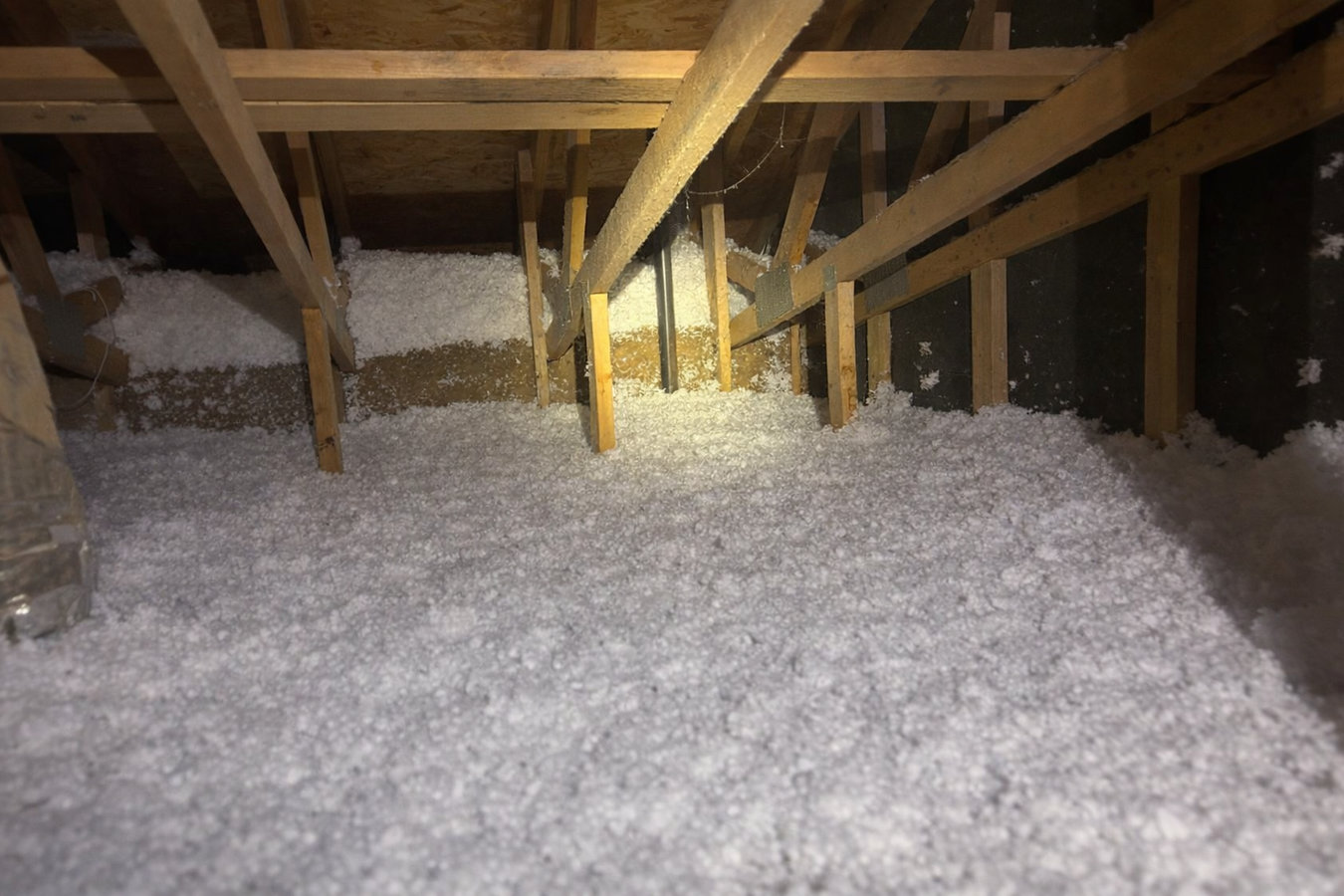
If your attic has thin or patchy insulation, blown-in material fills every gap batts miss - keeping your home warmer this winter without a major project.
If your attic has thin or patchy insulation, blown-in material fills every gap batts miss - keeping your home warmer this winter without a major project.
Blown-in insulation in Roseburg, OR uses loose cellulose or fiberglass material blown into your attic with a hose and machine, filling irregular spaces and corners that batt rolls cannot fully cover - most jobs are done in a single day with no need to leave your home.
Many Roseburg homes - especially those built in the 1950s through 1970s - have attics with thin or compressed original insulation that has never been updated. Blown-in is the most practical way to bring those attics up to a level where your furnace is not constantly working to keep up.
Blown-in works particularly well as part of a broader home insulation plan - covering the attic first, then addressing walls and other areas where heat escapes.
If your energy costs climb sharply from October through February but your habits have not changed, heat is likely escaping through a thin or incomplete attic. Roseburg's core heating season runs five full months, and an under-insulated attic lets that cold work into your home all winter long. The bills are the earliest warning sign most homeowners notice.
Peek into your attic with a flashlight. If you can clearly see the wooden framing beams running across the floor, your insulation is too thin. Proper blown-in insulation should sit well above those beams. This is a quick check any homeowner can do in under five minutes without any tools.
Top-floor bedrooms and rooms directly below the attic are the first to feel the effect of poor insulation. If one part of your home is consistently harder to keep comfortable than the rest, the attic above it is the most likely cause. This pattern is especially common in Roseburg older ranch-style and split-level homes.
Roseburg's rainy winters mean roof leaks are not uncommon, and even a small leak can saturate and flatten existing insulation. Wet insulation loses most of its effectiveness and can become a source of mold. If you have had any roof work done in the past few years, the insulation beneath the repair area is worth checking.
We install blown-in insulation in attics and wall cavities across Roseburg and Douglas County. For attic jobs, we always seal gaps around light fixtures, plumbing penetrations, and other openings before any material goes in - skipping that step means warm air keeps escaping regardless of how much insulation sits on top. For existing walls, dense-pack blown-in is an option that adds insulation without removing drywall, which pairs naturally with our wall insulation service.
We work with both cellulose and fiberglass blown-in materials. Cellulose is made from recycled paper treated to resist fire and pests. Fiberglass holds its shape well over time and does not settle as much. We assess each attic and recommend the right material for what we find - not the cheapest option available.
Best suited for attics with thin, compressed, or patchy existing insulation that needs to be brought up to current performance levels.
A good fit for older homes where walls have little or no insulation and the homeowner wants to avoid major drywall work.
The right approach for homes where air leaks and thin insulation are both present - sealing first, then insulating for the best result.
Ideal for homes that have some existing insulation but fall short of recommended depth levels for Roseburg climate zone.
Roseburg sits in the Umpqua Valley and receives around 33 inches of rain per year, with most of it falling between October and April. That sustained wet season means attics that are not properly ventilated can trap humidity, which degrades insulation over time and can lead to mold. A large share of Roseburg homes were built in the 1950s through 1970s, when insulation standards were far lower than today - and many of those original attics have never been touched. Homeowners in Sutherlin and Myrtle Creek face the same challenge - older homes, wet winters, and insulation that has not kept pace with the conditions.
Roseburg's late summers also bring wildfire smoke from the surrounding forests. A well-insulated and air-sealed attic closes the same gaps that let cold air in during winter and smoke in during fire season. Oregon also offers utility rebates through Energy Trust of Oregon that can meaningfully reduce your upfront cost - worth confirming with your contractor before you sign anything.
Call or submit a request online. We respond within one business day - often the same day - and ask a few quick questions about your home and what you have noticed.
We visit your home and spend 20 to 40 minutes in your attic checking existing insulation depth, ventilation, and any moisture or air-leak issues. You do not need to prepare anything other than a clear path to the attic hatch.
We provide an itemized written quote - not a single number over the phone - that breaks out air-sealing, removal of old material if needed, and the new installation. No surprises on the final invoice.
The crew seals gaps first, then blows insulation to the target depth. Most Roseburg attic jobs finish in two to four hours. Before leaving, we confirm the depth achieved and can provide photos of the finished attic.
Free estimate, written quote, no pressure. Most Roseburg attic jobs are done in a single day.
(458) 803-7783We seal gaps around light fixtures, plumbing, and other openings before we blow in any insulation. Skipping that step means warm air keeps escaping regardless of how much material goes in. It is a step many contractors skip to save time - we do not.
You receive a written estimate that breaks out every line of work before we begin. No verbal ballparks, no post-job surprises. You know exactly what the job covers and what it costs before you agree to anything.
We have been installing insulation in Douglas County homes since 2018 and know the older housing stock here - the crawl spaces, the attic configurations, and the specific moisture conditions that come with Roseburg winters. That local experience changes how we assess each job.
Every job starts with a free on-site visit and a written estimate that spells out materials, R-values, and total cost. We document the work with before and after photos so you have a clear record of what was installed and can use it for utility rebate applications.
Proper blown-in insulation starts with the work that happens before the material goes in - air-sealing, ventilation assessment, and a clear scope of work you can read and question. That is what separates a job that lowers your bills from one that just looks done. The North American Insulation Manufacturers Association sets the industry standards we follow on every installation.
Whole-home insulation assessment and installation covering attics, walls, crawl spaces, and more for Roseburg homeowners.
Learn MoreDense-pack blown-in insulation for existing walls without requiring major demolition or drywall removal.
Learn MoreMost jobs are done in a single day - call now to get on the schedule and stop losing heat through your attic this winter.