
Loading...
Serving Roseburg, OR and surrounding areas. (458) 803-7783
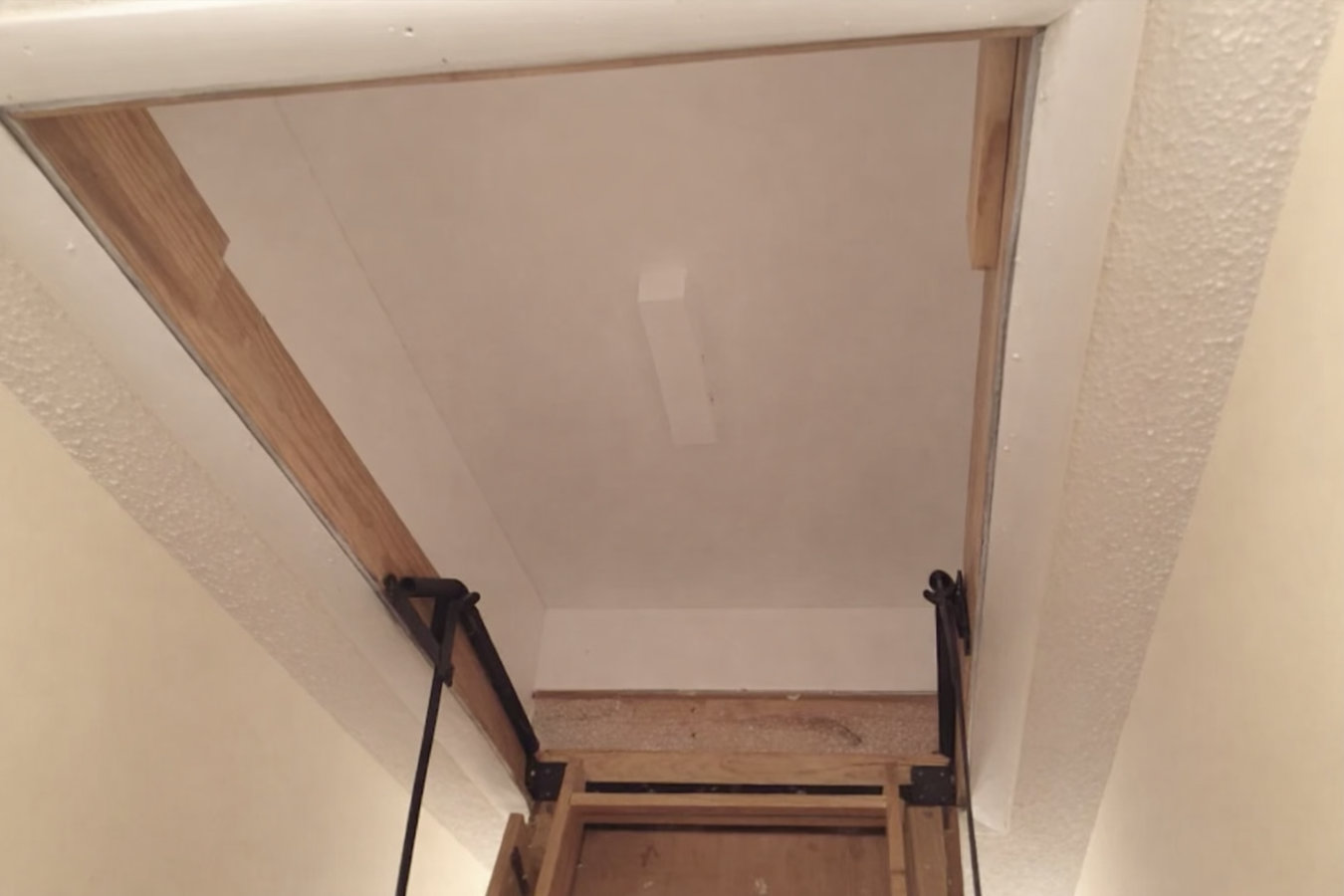
Insulation slows heat loss, but air sealing stops it at the source. We find the invisible gaps in your home and close them, so your heating system actually keeps up.
Air sealing services in Roseburg locate and close the gaps and cracks where outside air enters your home - most jobs are completed in one day, and a blower door test shows you measurable before-and-after results.
In Roseburg, a significant share of homes were built in the 1950s through 1970s, when air tightness was not a building priority. These homes typically have far more gaps and leaks than newer construction - around pipes, wires, vents, and structural connections that were never sealed. Every gap means your heating system is fighting against outside air all winter long.
Air sealing and insulation work best as a pair. Insulation slows heat from moving through walls and ceilings; air sealing stops air from moving through gaps entirely. If you have already insulated but still feel drafts, you may need basement insulation and air sealing together. For attic-specific gaps, our attic air sealing service targets the most common source of heat loss in Roseburg homes.
If your gas or electric bill spikes every November and stays high through March, and your home never quite feels warm, conditioned air is likely escaping through gaps. Roseburg winters are mild compared to eastern Oregon, but a leaky house works your heating system much harder than it should.
Run your hand along the bottom of interior walls on a cold day, or hold it near an electrical outlet on an exterior wall. If you feel cool air moving, that air is coming from outside through gaps in the structure. This is one of the most reliable signs that air sealing would make a noticeable difference.
Roseburg's wet winters mean crawl spaces here are prone to dampness. A crawl space that breathes outside air freely pulls that moisture up into the living space. If you notice a musty smell in the house, especially in the morning after a rainy night, crawl space air sealing is likely part of the solution.
When the attic is poorly sealed from the living space below, heat moves freely between them in both directions. If your upstairs rooms are consistently too hot in summer or too cold in winter while the rest of the house feels fine, the attic floor boundary is a likely culprit.
We start every air sealing job with a blower door diagnostic test. This mounts a calibrated fan in your front door frame, depressurizes the house, and shows exactly where outside air is rushing in. Rather than guessing where to apply foam and caulk, we seal the spots that are actually costing you heat and comfort. For homes in Roseburg where gas appliances or wood stoves are present, we also check that combustion appliances have adequate fresh air supply after sealing - a step that matters for safety and that some contractors skip.
Our most common work areas are the attic floor, crawl space boundary, and rim joists - the spots responsible for most heat loss in Roseburg homes. We pair air sealing with basement insulation when the floor above an unheated basement needs attention, and coordinate with our attic air sealing crew when the job is focused above the living space. Energy Trust of Oregon offers rebates for qualifying air sealing work - ask us about eligibility when you call.
Best for homeowners who want to know exactly where their home is leaking before any work begins.
Targets the two most common heat-loss zones in Roseburg homes, especially those with unfinished attics and vented crawl spaces.
Closes the gaps around pipes, wires, and structural connections where outside air sneaks in undetected.
For homeowners who want documentation of the improvement - useful if you plan to sell or apply for rebates.
Roseburg receives around 32 inches of rain per year, with most of it falling between October and April. Homes here have crawl spaces that sit close to damp soil, and an unsealed crawl space in a Roseburg winter pulls cold, wet air up through the floor into the living space above. When we air seal a crawl space here, we account for the moisture conditions specific to the Umpqua Valley - sealing a wet space without addressing the dampness first can trap moisture and lead to wood rot or mold. Pacific Power and Cascade Natural Gas both serve Roseburg, and customers of either utility may qualify for Energy Trust of Oregon rebates on air sealing work.
Homeowners in Drain, OR and Sutherlin, OR face similar challenges - older housing stock, damp winters, and heating costs that climb from November through March. We serve the full Douglas County area and bring the same diagnostic approach to every job regardless of zip code. If your home has never had an energy audit, a blower door test is the fastest way to find out what you are dealing with.
For rebate details, visit Energy Trust of Oregon. For background on air sealing best practices, see the U.S. Department of Energy air sealing guide.
We ask basic questions about your home's age, whether you have a crawl space, and what is prompting you to call. We schedule the initial visit and come prepared with diagnostic equipment.
We mount the blower door fan in your front doorway, depressurize the house, and locate the leaks with a smoke pencil or thermal camera. The test takes about an hour and gives us a clear picture of where the biggest gaps are.
After the assessment, you receive a written estimate explaining what we found, where we plan to seal, and the total cost. We confirm whether your project qualifies for an Energy Trust of Oregon rebate and whether any permits are needed.
Most jobs finish in one day. We work in the attic, crawl space, and other identified zones, then run the blower door test a second time to show you the before-and-after numbers. You leave with documentation, not just a contractor's word.
Free blower door assessment. Written estimate. No obligation.
(458) 803-7783We run a blower door test before we touch a single gap. That means we seal the leaks that are actually costing you money - not just the ones that are easy to reach. You get a before-and-after number that proves the work made a difference.
In the Umpqua Valley's wet winters, we check crawl space conditions before sealing. Sealing a wet crawl space without addressing the moisture source can cause rot and mold. We flag moisture issues before the foam goes in - not after.
Roseburg homes with gas furnaces or wood stoves need combustion air even after sealing. We verify your appliances have adequate fresh air supply after the work is done - a step that keeps your home safe and that many contractors skip entirely. See the Building Performance Institute for combustion safety standards.
We are familiar with Energy Trust of Oregon's rebate requirements for air sealing work. We structure projects to qualify where possible and handle the documentation so you do not have to navigate the process yourself.
Roseburg's older housing stock gives us plenty of practice finding leaks in wood-frame homes that were built before energy efficiency was a priority. When we finish the second blower door test and show you the numbers, you will see exactly what changed.
Insulate the floor above an unheated basement to capture the benefit of air sealing work throughout the lower level.
Learn MoreTarget the attic floor specifically - the most common source of heat loss in Roseburg homes with older construction.
Learn MoreSpots fill fast heading into fall - lock in your date before the cold and damp Umpqua Valley rain arrive. Call now or fill out the form.